
The automotive industry is digitalizing Vehicle Identification Number (VIN) verification, replacing manual methods with automated platforms for faster, more secure title transfers. These systems offer real-time access to vehicle history, reduce errors, and enhance transparency, as seen in California's DMV integration. Online VIN checks save time and money, benefiting businesses dealing with high volumes of vehicles. This digital transformation streamlines title processes, improves security, and reduces administrative burdens, fostering efficiency and customer satisfaction during Verify VIN for title transfer.
In an era where digital transformation is reshaping industries, the process of vehicle identification number (VIN) verification faces a pivotal shift. Traditionally, manual VIN verifications have been the standard for title transfers, but this method is increasingly becoming obsolete due to its time-consuming nature and inherent vulnerabilities. This article delves into the reasons behind this change, exploring the challenges posed by manual processes, such as human error and fraud risks. We present a modern solution: automated and digital VIN verification, which streamlines title transfer, enhances security, and offers unparalleled convenience for all stakeholders involved.
- The Rise of Digital Auto Verification Systems
- Advantages of Automated VIN Checks Over Manual
- Streamlining Title Transfer: Verify VIN Online
- Enhancing Security: Anti-Fraud Measures in VIN Verification
- Future of Car Ownership: Digital Titles and VINs
The Rise of Digital Auto Verification Systems

The automotive industry is undergoing a significant transformation with the advent of digital auto verification systems, rendering traditional manual Vehicle Identification Number (VIN) verifications increasingly obsolete. In an era where technology drives efficiency and accuracy, these innovative solutions streamline processes previously reliant on manual effort and paper-based records. For instance, in California, one of the largest car markets globally, the DMV’s VIN lookup process has seen substantial enhancements through digital integration, enabling faster, more secure title transfers.
Digital VIN verification systems offer several advantages over their manual counterparts. They provide real-time data access, eliminating the need for manual record searches and reducing the risk of human error. With just a few clicks, these platforms can verify a vehicle’s history, including ownership changes, accident records, and outstanding liens, ensuring that every party involved has accurate, up-to-date information. Moreover, many free VIN verification services now permit users to check a vehicle’s legitimacy for title transfer purposes, making the process more accessible and convenient.
The rise of these systems is not just a trend but a necessary evolution in the digital age. They enhance transparency, security, and efficiency across the automotive sector. As vehicle data becomes increasingly digitized, relying on manual methods to verify VINs becomes impractical and time-consuming. Embracing these technological advancements allows stakeholders, from car dealers to individual buyers, to navigate the complex world of vehicle ownership with greater ease, ensuring every transaction is conducted with confidence and integrity.
Advantages of Automated VIN Checks Over Manual

The process of verifying a vehicle’s Vehicle Identification Number (VIN) is undergoing a significant transformation as the automotive industry embraces digital solutions. Traditional manual VIN verifications, once the gold standard in ensuring vehicle authenticity, are increasingly becoming obsolete due to several compelling advantages offered by automated systems. This shift is particularly notable in regions like California, where the DMV verification of vehicle histories is now largely digital, streamlining processes for both consumers and dealers.
Automated VIN checks provide a more efficient, accurate, and seamless experience compared to their manual counterparts. Online platforms that offer VIN number verification services allow users to input a vehicle’s unique 17-character code and instantly gain access to detailed information. This includes the vehicle’s make, model, year, production location, and even historical ownership records. For instance, a commercial truck dealer can swiftly verify the VIN of each unit before stocking their lot, ensuring that every vehicle on sale has a clean title and genuine origins. This level of transparency builds trust among buyers, who can now conduct these checks independently, eliminating potential scams and ensuring peace of mind.
Moreover, automated systems offer significant cost savings and time efficiency. Manual verification processes often involve extensive documentation searches, phone calls, and even physical inspections at local DMV offices. In contrast, online VIN checkers streamline this process, enabling users to verify a vehicle’s history within minutes from the comfort of their office or home. This is particularly beneficial for businesses dealing with high volumes of vehicles, as it reduces administrative burdens and allows staff to focus on core operations. For example, a national fleet management company can efficiently manage thousands of vehicles across various states, ensuring that all titles are accurate and transfer processes are legitimate without the need for extensive in-house verification teams.
Streamlining Title Transfer: Verify VIN Online

The digital transformation of vehicle management processes is rendering traditional manual Vehicle Identification Number (VIN) verifications obsolete. One area where this shift is most evident is in streamlining title transfers. Historically, transferring a vehicle’s title required numerous paperwork-heavy steps and in-person visits to DMV offices or smog check facilities. However, the rise of online VIN verification has revolutionized this process, offering unprecedented convenience and efficiency for both consumers and automotive professionals. By simply entering a vehicle’s unique VIN, users can now access crucial information, including historical maintenance records, accident reports, and ownership details, all from the comfort of their homes or offices.
Online VIN verification platforms act as powerful tools, connecting diverse data sources to provide a comprehensive picture of a vehicle’s history. This digital approach eliminates the need for physically inspecting vehicles, which can be time-consuming and prone to human error. Moreover, it reduces the risk of fraud by verifying ownership and ensuring the accuracy of recorded data. For instance, many online services utilize advanced algorithms and cross-referencing with multiple databases to confirm a vehicle’s identity, minimizing the chances of identity theft or falsified records. This evolution in title transfer procedures is not just a trend but a necessary adaptation to today’s fast-paced digital landscape.
To replace a lost VIN plate, which can be a common issue, many states now allow for online retrieval and replacement through verified platforms. The process typically involves providing the required documentation and passing a security check to confirm ownership. This not only simplifies the task but also enhances security by ensuring that only legitimate owners can access such services. Additionally, the question of how DMVs ensure VIN accuracy arises frequently. Reputable DMVs employ robust data validation systems, regularly cross-checking vehicle records against multiple sources to maintain integrity. This meticulous process, often facilitated by advanced technology, ensures that VINs remain accurate and reliable throughout their lifecycle, further solidifying the credibility of online verification methods.
Enhancing Security: Anti-Fraud Measures in VIN Verification

As technology advances, manual Vehicle Identification Number (VIN) verifications are becoming increasingly obsolete due to their vulnerability to errors and fraud. Enhancing security in VIN verification processes is paramount to ensuring the integrity of vehicle history reports and preventing fraudulent activities like identity theft and insurance scams. Anti-fraud measures have emerged as a game-changer in this domain, offering more robust protection for both consumers and automotive industry stakeholders.
One of the most significant advancements is the integration of digital VIN verification tools, which streamline the process and significantly reduce human error. For instance, the chassis verification protocol, mandated by many DMVs, employs advanced algorithms to cross-reference vehicle data against comprehensive databases, ensuring accuracy in real time. This method eliminates the need for manual paperwork, making it faster and more efficient than traditional methods. Additionally, these digital tools can perform complex checks, such as verifying a vehicle’s title history, identifying salvage or odometer rollback attempts, and confirming that the VIN is associated with the correct make and model—all crucial aspects in the verify VIN for title transfer process.
The U.S. DMV, recognizing the importance of keeping up with evolving fraud trends, has developed sophisticated vehicle verifier systems that perform these checks 1-3 times during typical transactions. This multi-layered approach significantly diminishes the risk of fraudulent activities like presenting a stolen vehicle’s clean title or attempting to pass off a damaged car as new. By leveraging cutting-edge technology and data analytics, DMVs can ensure that every VIN verification is secure and reliable, fostering trust in the overall vehicle ownership and transfer process.
To stay ahead in this digital age, automotive professionals must embrace innovative solutions for VIN verification. Implementing these advanced security measures not only protects against fraud but also enhances customer satisfaction by simplifying and speeding up title transfer processes. As the industry continues to evolve, embracing technology that verifies VINs naturally will be essential for maintaining a secure and transparent vehicle lifecycle.
Future of Car Ownership: Digital Titles and VINs
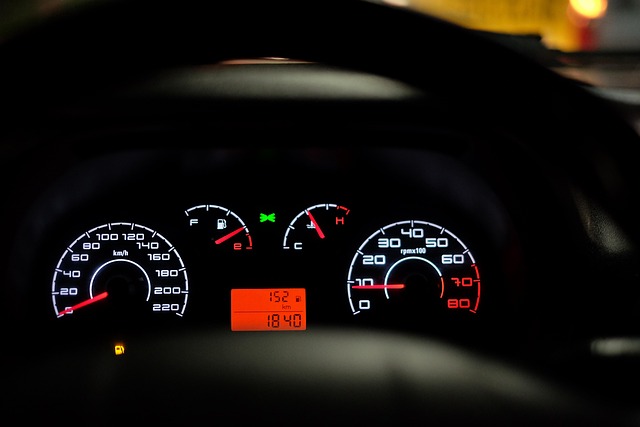
The future of car ownership is evolving rapidly, with digital titles and Vehicle Identification Numbers (VINs) emerging as a game-changer in the automotive industry. This shift marks a significant departure from traditional manual VIN verifications, which have long been the standard process for title transfers and vehicle history checks. As we move into an era dominated by digital transactions, it’s becoming increasingly clear that manual methods are not only outdated but also inefficient and prone to errors. For instance, in California, where auto vin verification is a critical aspect of purchasing and registering vehicles, the state DMV has been exploring ways to streamline the process, reducing the time and resources required for traditional VIN verifications.
Digital transformation offers several advantages over manual procedures. First and foremost, digital titles and VINS provide a secure and tamper-proof way to verify vehicle ownership. This level of security is crucial in an era where fraud and identity theft are persistent concerns. Moreover, digital platforms enable real-time data sharing between stakeholders, such as dealerships, car owners, and government agencies, ensuring that information like vehicle history and title details are up-to-date and accessible instantaneously. For California residents, best tools for DMV VIN verification can facilitate this process, offering free one-time checks or subscription-based services that provide ongoing access to vehicle data.
The implications of this digital revolution extend beyond convenience; they have the potential to reshape the entire car ownership experience. Automated systems can simplify the title transfer process, reducing administrative burdens and minimizing errors. This efficiency gain is particularly significant in high-volume markets like California, where thousands of vehicles are registered daily. Additionally, digital VIN verifications enable faster decision-making for buyers and sellers, allowing them to complete transactions with greater speed and confidence. As this technology continues to evolve, we can expect to see further innovations that make car ownership more transparent, secure, and accessible.
As the automotive industry evolves, manual Vehicle Identification Number (VIN) verifications are becoming increasingly obsolete. The rise of digital auto verification systems offers numerous advantages over traditional methods, including enhanced efficiency, improved security, and streamlined title transfer processes. Online VIN checks allow for quick and accurate verification, eliminating the need for manual inspection and reducing potential errors. Furthermore, these advanced systems incorporate robust anti-fraud measures, safeguarding against vehicle identity theft and ensuring the integrity of transactions. Looking ahead, the future of car ownership may involve entirely digital titles and VINs, revolutionizing how we buy, sell, and register vehicles. Verifying VIN for title transfer is no longer a tedious task but a seamless process that contributes to a safer and more efficient automotive ecosystem.


