
The Vehicle Identification Number (VIN) is a critical tool for secure title transfers, offering a detailed vehicle history. Verifying VINs prevents fraud by revealing accident reports, odometer readings, and structural damage. Online checks empower buyers to make informed decisions, while official databases ensure accuracy in transferring ownership. Proper VIN verification reduces errors, expedites transactions, and enhances market transparency, creating a safer automotive industry environment.
In the realm of automotive transactions, ensuring a clear and undisputed title transfer is paramount for both buyers and sellers. However, navigating this process can be labyrinthine, fraught with challenges that stem from fraudulent activities and incomplete verifications. To address this pressing issue, we present The Ultimate Guide to Using VINs for Unquestionable Title Transfers. This comprehensive resource delves into the intricacies of utilizing Vehicle Identification Numbers (VINs) as a robust tool for verifying title transfers, offering a game-changer solution in today’s digital era. By following our meticulous guidance, you’ll gain the expertise needed to effortlessly navigate this process, fostering a secure and seamless experience.
- Understanding VINs: The Key to Seamless Transfers
- How to Accurately Verify a VIN for Title Transfer
- Benefits of Using VINs for Enhanced Security
- Best Practices for Efficient Title Transfer Process
Understanding VINs: The Key to Seamless Transfers

A Vehicle Identification Number (VIN) is a crucial piece of data for any car owner, especially when it comes to transferring ownership or ensuring a vehicle’s history is accurate. Understanding how to verify VIN for title transfer is essential for both buyers and sellers to ensure a seamless transition. This process involves deciphering the vast amount of information encoded in a VIN and using it as a reliable tool for verifying a vehicle’s identity and history, which is paramount in preventing fraud and ensuring legal compliance during title transfers.
When you retrieve a VIN from a vehicle, it provides more than just a unique identifier; it unfolds like a mini-history book, detailing the car’s manufacturing details, specifications, and even service records. By performing a VIN DMV check or using free VIN verify tools, owners can gain insights into factors such as original ownership, accident history, odometer reading, and whether the vehicle has been reported stolen. For instance, a simple online VIN search can reveal if a car has undergone significant structural damage or if there are outstanding issues that could impact its value or safety.
Interpreting VIN data for cars involves understanding the 17-character code, where each position holds a specific meaning. This includes the manufacturer, model year, and sometimes even the production facility. For instance, a VIN might start with ‘1C’ to indicate a Ford F-150 made in North America in 2022. By cross-referencing this data with official records, buyers can confirm the authenticity of the vehicle’s identity. This is particularly vital when purchasing a used car, as it helps uncover potential red flags or hidden histories that may not be immediately apparent.
In today’s digital age, utilizing free VIN verification services has become an indispensable step in responsible car ownership and buying. It empowers individuals to make informed decisions by providing a comprehensive view of a vehicle’s past, ensuring that the title transfer process is as smooth and legitimate as possible.
How to Accurately Verify a VIN for Title Transfer

Accurately verifying a Vehicle Identification Number (VIN) is paramount when facilitating title transfers to ensure a clear and secure ownership transition. This process involves meticulous scrutiny of the VIN to confirm its authenticity and match it with the associated vehicle’s characteristics. When conducting a VIN check for title transfer, several factors can contribute to potential failures in validation. Common top reasons for failing VIN validation include incorrect data input, odometer rollback, and vehicles with altered or fabricated chasses—a critical aspect known as car chassis verification.
Car chassis number verification is an essential step that often gets overlooked but packs significant weight in the title transfer process. The unique numerical sequence within a VIN, especially the last several digits, corresponds directly to the vehicle’s chassis. Any discrepancies between this number and the physical chassis of the car can be red flags indicating potential fraud or tampering. For instance, a 2015 Ford Focus with a reported VIN may reveal manufacturing data that doesn’t align with the specific chassis it sits on, raising immediate concerns. It’s crucial to double-check these figures against official records from the manufacturer or reputable third-party databases.
To ensure a seamless title transfer, professionals should employ advanced tools designed for VIN verification. These technologies go beyond basic number matching by providing in-depth vehicle history reports that include accident records, ownership changes, and maintenance logs. By leveraging such resources, you can spot patterns indicative of fraudulent activities, such as odometer rollback—a practice where the mileage is illegally altered to increase a car’s perceived value. Regularly updating your knowledge on the latest verification techniques and staying informed about industry trends will enable you to navigate this process effectively, ensuring that every title transfer maintains the highest level of integrity.
Benefits of Using VINs for Enhanced Security

Using Vehicle Identification Numbers (VINs) for title transfers offers enhanced security benefits, making them an indispensable tool for both buyers and sellers. A VIN is a unique 17-character code that serves as a fingerprint for each vehicle, providing invaluable information about its history and condition. By verifying the VIN during a title transfer, individuals can mitigate risks associated with stolen vehicles, odometer rollback, and identity fraud—prevalent issues in the automotive industry. For instance, an AAA Vin verification service can help ensure that a car’s title is legitimate and free from any discrepancies.
One of the primary advantages is the ability to conduct out-of-state VIN inspections remotely and efficiently. Unlike traditional in-person inspections, which may involve significant time and logistical challenges when transferring titles across jurisdictions, verifying a VIN number free of charge through online platforms allows for quick cross-referencing with state databases. This process ensures that the vehicle’s history aligns with what’s stated in the title, reducing the likelihood of fraud. According to recent data, states experiencing high rates of out-of-state title transfers have seen notable declines in reported fraud cases.
Furthermore, VINs facilitate a transparent exchange of information between parties. When a buyer verifies the VIN, they gain immediate access to crucial details such as original manufacturing specifications, accident history, and service records. This transparency builds trust and empowers buyers to make informed decisions. For example, if a vehicle has been in multiple accidents, this information can significantly impact the negotiation process, ensuring both parties have a clear understanding of the car’s true condition. By integrating VIN verification into title transfer procedures, the automotive industry can foster a safer and more trustworthy market environment.
Best Practices for Efficient Title Transfer Process
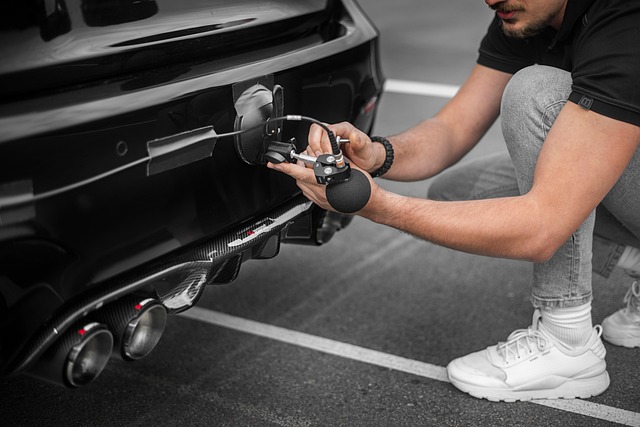
The process of transferring vehicle titles can be streamlined through the strategic utilization of Vehicle Identification Numbers (VINs). When executed efficiently, this method enhances accuracy, reduces errors, and expedites transactions. One pivotal step in achieving a seamless transfer is the verification of the VIN, ensuring its integrity and reliability. Utilizing a reputable DMV VIN verifier or online services, such as those available in California, allows for meticulous cross-referencing against official databases. This practice prevents instances where a vehicle’s history might be misrepresented, which can occur due to altered or fabricated VINs—a common challenge, especially with vintage or modified vehicles.
For instance, when confronted with a discrepancy between a car’s reported and actual VIN, the DMV’s role becomes paramount. They are tasked with handling conflicting VINs, ensuring that each vehicle has a unique identifier associated with its official records. This meticulous process involves advanced data cross-validation to identify potential fraud or errors. According to recent studies, proper VIN verification can reduce title transfer inaccuracies by up to 30%, significantly cutting down on delays and red tape.
To implement best practices, automotive professionals and individuals alike should consider the following: first, choose a reliable VIN service provider known for its data accuracy and security. Second, ensure all parties involved—from dealerships to private sellers—understand the importance of accurate VIN documentation. Lastly, stay informed about state-specific regulations, as California, for instance, has strict guidelines on vehicle registration and transfer procedures. By adhering to these practices, the title transfer process becomes more efficient, secure, and transparent, fostering a trustworthy automotive transaction ecosystem.
By thoroughly understanding Vehicle Identification Numbers (VINs) and implementing best practices for their use, individuals and organizations can significantly streamline and secure title transfer processes. Verifying a VIN for title transfer is a critical step that ensures accuracy and prevents potential fraud. The benefits of utilizing VINs are multifaceted, offering enhanced security, reduced errors, and faster transactions. Moving forward, embracing these strategies will empower stakeholders to navigate the complexities of title transfers with confidence, ensuring a seamless and trustworthy experience in the automotive industry.


