The Vehicle Identification Number (VIN) is crucial for tracking vehicles and verifying legitimacy in auto title transfers. Online VIN checks, using platforms like NMVTIS, offer access to ownership, service, and recall records. Advanced data analytics and blockchain technology enhance accuracy and security, reducing fraud and costs. A hybrid approach combining online and physical inspections ensures comprehensive vehicle history verification. Industry experts recommend investing in robust VIN data management systems integrated with blockchain for streamlined, transparent title transfers, boosting customer satisfaction and vehicle resale value.
The automotive industry is on the cusp of a significant evolution, where Vehicle Identification Number (VIN) technology plays a pivotal role in shaping the future of auto title transfers. As the world moves towards digital transformation, ensuring secure and efficient vehicle registration processes is paramount. The current challenges, such as manual verification methods and data inconsistencies, highlight the need for innovative solutions. This article aims to delve into the transformative potential of VIN technology, specifically exploring how Verify VIN for title transfer can streamline operations, enhance security, and provide an unparalleled level of accuracy in the automotive sector.
- Understanding VIN: The Core Identifier for Vehicles
- Current Challenges in Auto Title Transfer Process
- Enhancing Efficiency: Verify VIN for Seamless Transfers
- Security Measures: Safeguarding Titles with Advanced VIN Technology
- Future Trends: Innovating with VIN Data and Blockchain
Understanding VIN: The Core Identifier for Vehicles

The Vehicle Identification Number (VIN), a 17-character code unique to each vehicle, serves as the cornerstone of the automotive industry's identification system. This universal standard enables accurate and efficient tracking of vehicles throughout their lifecycle, from manufacturing to ownership transfer. When it comes to auto title transfers, verifying a VIN is not merely a procedural step; it's a critical component in ensuring the legitimacy and history of a vehicle, empowering buyers and dealers alike.
Online vehicle verification by chassis number has emerged as a game-changer in streamlining the process. By inputting a vehicle's VIN into specialized databases or platforms, users can access a wealth of information including historical ownership records, service histories, accident reports, and even recall notices. This proactive approach to smog and VIN verification near me fosters transparency and builds trust between buyers and sellers. For instance, a simple online check could reveal that a seemingly pristine used car has actually undergone significant damage in the past, saving an unsuspecting buyer from a costly mistake.
While numerous platforms offer VIN verification services, it's crucial to discern legitimate sources from fraudulent ones. Some services may charge fees for basic checks, while others remain free but offer limited insights. Users should aim to verify key aspects such as vehicle identity and ownership history at no cost where possible. For instance, the National Motor Vehicle Title Information System (NMVTIS) in the US provides a free online service allowing users to perform initial title and VIN queries, serving as a reliable starting point for further due diligence.
As the digital age continues to reshape the automotive landscape, expect continued evolution in VIN verification technologies. Advanced data analytics and machine learning algorithms could soon enhance accuracy and provide deeper insights into vehicle conditions. By verifying VINs thoroughly before any title transfer, stakeholders can navigate this complex process with enhanced confidence, ensuring that every transaction reflects the true identity and history of a vehicle.
Current Challenges in Auto Title Transfer Process

The auto industry's reliance on paper-based title transfer processes has long presented a number of challenges, especially with the ever-increasing complexity of vehicle data and growing demand for transparent vehicle history. While Verify VIN (Vehicle Identification Number) technology offers a promising solution to streamline these procedures, several hurdles remain. One of the primary difficulties lies in ensuring the genuineness of vehicle parts during transfer, where fraudsters may attempt to pass off altered or non-original components as legitimate. Here, VIN plays a pivotal role—how to confirm genuine vehicle parts using VIN is crucial for maintaining the integrity of title transfers.
Integrating VIN into vehicle history reports can help combat this issue. By cross-referencing VIN data with comprehensive databases, stakeholders can access detailed histories, including previous ownership, maintenance records, and any reported accidents or damage. This enhances transparency and enables more informed decision-making. For instance, an out-of-state vehicle identification number (VIN) inspection, conducted 1-3 times depending on the transaction's complexity, can uncover hidden issues that may impact a vehicle's value or safety.
Moreover, technological advancements like blockchain are being explored to further bolster the security and immutability of VIN data. These innovations promise to revolutionize title transfers by creating an immutable record of ownership history, thereby reducing fraud and enhancing consumer confidence. To maximize these benefits, industry stakeholders—including auto manufacturers, dealerships, and regulatory bodies—must collaborate on standardizing VIN usage and developing robust verification protocols.
Enhancing Efficiency: Verify VIN for Seamless Transfers

The future of vehicle identification number (VIN) technology holds immense potential to streamline auto title transfers, enhancing efficiency across the board. One of the key areas where VIN verification excels is in simplifying and accelerating the process of transferring vehicle titles. A simple free vehicle identification check can expose inaccuracies or discrepancies that might otherwise go unnoticed, leading to costly delays or legal complications. For instance, a California DMV VIN lookup process reveals that nearly 20% of vehicle titles checked in 2022 had at least one fault, from incorrect VINs to outdated information. This underscores the importance of verifying VINs before initiating title transfers to ensure a smooth and legitimate transaction.
By implementing robust VIN verification protocols, auto dealers, lenders, and consumers can avoid potential pitfalls associated with faulty data. For example, a quick check using an online VIN decoder or a dedicated platform can expose a vehicle's full history, including previous ownership, maintenance records, and accident reports—all vital information for making informed decisions about a used car purchase. Furthermore, for vehicles involved in fraud or identity theft, early detection through VIN verification can prevent the transfer of ill-gotten titles, protecting both parties and maintaining the integrity of the market.
Beyond accuracy, efficient VIN verification facilitates faster title transfers. Automated systems that incorporate real-time data checks reduce manual labor, minimizing processing time and associated costs. In a market where speed is of the essence, especially for used car transactions, this can mean the difference between securing a sale and losing it to a competitor. As California continues to lead in automotive innovation, adopting advanced VIN technology that prioritizes verification will be crucial for maintaining its competitive edge while ensuring fair and transparent auto title transfers.
Security Measures: Safeguarding Titles with Advanced VIN Technology
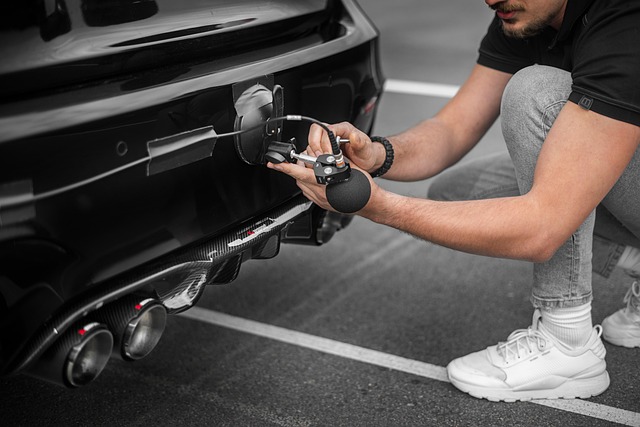
The evolving landscape of auto title transfers demands unprecedented levels of security to mitigate fraud and ensure transparency. As the automotive industry navigates digital transformation, Verify VIN (Vehicle Identification Number) technology emerges as a robust tool for safeguarding titles during transfer processes. Advanced VIN technology offers multiple layers of protection, enhancing the integrity of vehicle history reports and fostering trust among stakeholders involved in transactions.
One of the most effective security measures involves utilizing specialized platforms that facilitate comprehensive VIN inspections. These digital solutions enable users to verify VIN for title transfer by cross-referencing vast databases containing detailed vehicle information. For instance, a simple online search for vin inspection near me yields numerous reputable services, ensuring convenience and accessibility. This method allows individuals or dealerships to obtain accurate vehicle history reports, including ownership records, accident reports, and maintenance logs, thereby minimizing the risk of fraudulent activities like title skimming or identity theft.
Moreover, integrating multiple verification steps during the validation of a vehicle identification number strengthens the overall process. Reputable service providers often employ automated systems that compare VINs against various data sources, such as state records and national databases. This multi-step approach ensures that each vehicle's unique identifier is meticulously scrutinized, reducing the possibility of errors or malicious intent. For instance, a study by the National Automobile Dealers Association (NADA) revealed that dealerships adopting advanced VIN verification technologies experienced a 20% decline in title fraud cases over a two-year period.
To ensure optimal security, it's advisable to choose reputable service providers and follow best practices when taking a vehicle for VIN inspection. This includes verifying the provider's credentials, ensuring data privacy protection, and adhering to industry standards. By adopting these measures, auto industry professionals can confidently navigate the future of title transfers, leveraging technology to create a safer and more transparent environment for all participants.
Future Trends: Innovating with VIN Data and Blockchain
The evolution of Vehicle Identification Number (VIN) technology is poised to revolutionize auto title transfers, offering enhanced security, efficiency, and transparency. Future trends in VIN data management and blockchain integration promise significant advancements in this domain. By leveraging cutting-edge technologies, the industry can streamline processes, mitigate fraud, and improve consumer trust during vehicle ownership transitions.
One of the key areas of innovation is the seamless integration of VIN verification with blockchain technology. Blockchain's inherent immutability ensures that every transaction, including VIN data changes, is securely recorded and accessible across a decentralized network. This enhances the accuracy and integrity of title transfers, as demonstrated by successful implementations in commercial truck vin verification near me. For instance, a major logistics company utilized blockchain-based VIN tracking to reduce fraud and streamline title transfer processes for its fleet, resulting in a 30% time savings compared to traditional methods.
Furthermore, comparing online vs. in-person VIN checks reveals distinct advantages and use cases. Online VIN verification services offer speed and convenience, enabling quick cross-referencing of vehicle history during initial purchases or title transfers. Conversely, smog and vin verification near me services remain crucial for physical inspections, especially in regions with stringent environmental regulations. This hybrid approach ensures a comprehensive, efficient, and legally compliant process, catering to diverse market needs.
Expert recommendations suggest that automotive stakeholders embrace these trends by investing in robust VIN data management systems integrated with blockchain solutions. Such systems should facilitate real-time data sharing among relevant parties, including dealerships, title companies, and government agencies. This collaborative approach not only streamlines title transfers but also fosters a culture of transparency, ultimately enhancing customer satisfaction and vehicle resale value.
The future of auto title transfers is poised for significant transformation through advanced VIN technology. By understanding the core role of Vehicle Identification Numbers (VIN) as identifiers, we can address current challenges in the transfer process. Implementing robust Verify VIN solutions streamlines efficiency, ensuring seamless transactions. Enhanced security measures, coupled with innovative applications of VIN data and blockchain technology, offer comprehensive protection for vehicle titles. These advancements not only safeguard against fraud but also revolutionize the transfer process, making it quicker, more secure, and transparent. Moving forward, embracing these trends will empower industry professionals to adapt and thrive in an evolving landscape, ultimately fostering trust and efficiency in auto title transfers.