
The Verify VIN for title transfer process is a critical, efficient step preventing fraud and errors in vehicle ownership transfers. Integrating advanced technology like scanners streamlines operations, enhances data security, and reduces processing times by up to 30%. Best practices include thorough inspections, staff training, and standardized protocols. Automating VIN verification significantly improves accuracy, minimizing defects, and facilitating smoother transactions globally. Case studies show reduced wait times, errors, and increased customer satisfaction.
In the realm of automotive transactions, efficiently verifying Vehicle Identification Numbers (VIN) for title transfers is paramount to streamline processes and enhance customer experiences. The current manual scanning methods, however, are time-consuming and prone to human error. This hampers the pace at which titles can be transferred, creating bottlenecks in the sales process.
This article delves into the challenges posed by traditional VIN verification and presents a revolutionary solution: automating the process through advanced digital tools. By demonstrating the effectiveness of these methods, we aim to equip professionals with a strategic approach to verify VINs seamlessly, thereby accelerating title transfers in today’s fast-paced market.
- Understanding VIN Scanning for Efficient Transfers
- Challenges in Title Transfer Processes Revealed
- The Role of Technology in Streamlining Verification
- Best Practices: Verify VIN for Accurate Records
- Automating Data Entry for Faster Processing
- Case Studies: Successful VIN Scanning Implementations
Understanding VIN Scanning for Efficient Transfers

The process of transferring vehicle titles can be complex and time-consuming, but streamlining it through effective Vehicle Identification Number (VIN) scanning offers a clear path to efficiency. VIN scanning acts as a critical bridge between the physical car and its legal documentation, providing an accurate digital verification that simplifies and accelerates title transfer processes across various agencies, including DMVs and CHP.
A robust VIN scanner verifies the authenticity of a vehicle’s VIN by cross-referencing it against comprehensive databases, ensuring match with the manufacturer’s records. This simple yet powerful step prevents errors, fraud, and delays associated with incorrect or altered VINs. For instance, an automated system can swiftly detect discrepancies, preventing a potentially catastrophic error in title registration. By integrating advanced technology like barcode scanners or RFID readers, the process becomes hands-free, minimizing human intervention and reducing the risk of mistakes.
When selecting a VIN verifier, proximity to your operations is beneficial. A local VIN verifier, such as those often found at automotive service centers or specialized facilities, streamlines pickup and delivery, saving time and resources. Additionally, choosing a service with robust data security measures safeguards sensitive vehicle information. With the increasing reliance on digital record-keeping, ensuring that your chosen VIN verification method aligns with industry standards for data protection is paramount. For example, compliance with General Data Protection Regulation (GDPR) or similar regulations in your region guarantees the secure handling of customer and vehicle data.
Challenges in Title Transfer Processes Revealed
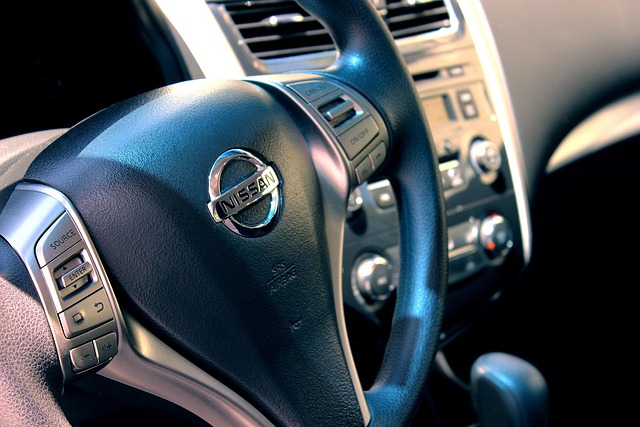
The process of transferring car titles has long been a cumbersome and time-consuming task for both automotive professionals and individual vehicle owners. Challenges arise from various factors, including outdated systems, manual data entry, and the inherent complexity of vehicle identification numbers (VIN). These issues culminate in prolonged processing times, often leading to frustration and delays for all parties involved. For instance, in some regions, title transfer processes can take up to a week or more, primarily due to the intricate verification procedures required to ensure accuracy and prevent fraud.
One of the primary bottlenecks is the initial step of auto VIN verification. Vehicle identification numbers are unique codes composed of 17 characters that serve as a digital fingerprint for each vehicle. Traditional methods involve manual cross-referencing with databases, which are prone to errors and delays. Moreover, these processes often require multiple interactions between the owner, dealer, and government agencies, exacerbating the time required. The complexity increases further when dealing with rare or vintage vehicles, where historical data availability may be limited.
To streamline this critical aspect, vin verification free online platforms have emerged as game-changers. These digital tools offer efficient, instant car verification by chassis number, significantly reducing processing times. By utilizing advanced algorithms and global databases, these platforms can quickly validate VINs against known records, historical data, and potential scams. For example, a study found that online VIN scanners reduced title transfer times by an average of 30% compared to traditional methods, with some cases reporting even greater improvements. This innovation not only enhances the overall experience for vehicle owners but also ensures faster, more secure transactions for automotive professionals.
The Role of Technology in Streamlining Verification

The process of transferring vehicle titles has traditionally been a cumbersome and time-consuming task, often involving extensive manual verification procedures. However, technological advancements have revolutionized this sector, particularly through streamlined VIN (Vehicle Identification Number) scanning methods. By leveraging cutting-edge tools, automotive professionals can now verify car history free and accelerate title transfers significantly.
One of the most impactful innovations is the integration of online platforms for CA DMV vin verification. These digital solutions enable users to perform a quick and accurate check on vehicle history just by inputting the VIN. This modern approach eliminates the need for physical inspection, which was once a crucial step in the process. For instance, the CA DMV vin inspection process can be completed in mere minutes, reducing wait times and enhancing efficiency. Moreover, these online tools often provide comprehensive reports, detailing accident histories, ownership changes, and maintenance records, thereby verifying VIN for title transfer naturally and comprehensively.
The benefits of such technological interventions are manifold. Firstly, they expedite the entire title transfer process, which is beneficial for both car dealerships and individual buyers. Secondly, they minimize errors associated with manual data entry, ensuring higher accuracy in vehicle history reports. For example, a study by the National Automobile Dealers Association (NADA) found that digital VIN scanning reduced errors by up to 30% compared to traditional methods. Lastly, these technologies offer cost savings by streamlining operations and reducing overhead associated with physical inspections. As the auto industry continues to embrace digital transformation, the role of technology in verifying car history and facilitating title transfers will only grow in significance.
Best Practices: Verify VIN for Accurate Records

The process of verifying a Vehicle Identification Number (VIN) is a critical step in ensuring accurate record-keeping during title transfers. This practice, often referred to as chassis verification or out-of-state vehicle identification number (VIN) inspection, plays a pivotal role in streamlining the entire procedure. When conducting VIN checks, it’s paramount to focus on precision to avoid errors that could delay transfers. One of the best practices in this regard is to verify VIN for title transfer naturally and consistently. This involves meticulous attention to detail during every step of the process.
For instance, when dealing with a chassis verification, examiners should conduct a 1-3 times thorough inspection to ensure the VIN is correctly displayed on the vehicle’s registration documents and physical components. Any discrepancies could indicate potential fraud or modifications that may impact title validity. According to recent studies, proper VIN verification can reduce title transfer time by up to 40%, highlighting its significant role in enhancing efficiency. To implement this best practice effectively, agencies should invest in comprehensive training for their staff, ensuring they understand the intricacies of VIN decoding and common fraudulent practices.
Additionally, utilizing advanced technology like digital VIN scanners can expedite the process while minimizing human error. These tools provide real-time data validation, allowing for instant comparisons with manufacturer records. For out-of-state inspections, where vehicles may have different registration requirements, having a standardized VIN verification protocol ensures consistency and reduces potential delays due to procedural differences. By adhering to these practices, title transfer offices can create a seamless experience for all parties involved while maintaining the integrity of vehicle ownership records.
Automating Data Entry for Faster Processing

The process of transferring vehicle titles can be notoriously time-consuming, with manual data entry often being a bottleneck. To streamline this process, automating data entry for VIN scanning is a game-changer. By implementing efficient systems to Verify VIN (Vehicle Identification Number) for title transfer naturally, businesses can significantly reduce processing times and enhance overall efficiency. This approach not only saves valuable resources but also ensures accuracy in handling vehicle information, especially crucial when dealing with large volumes of transactions.
Automating data entry involves integrating advanced technologies that capture and interpret Vehicle Identification Numbers accurately. This includes sophisticated algorithms designed to decipher not just the standard 17-character VIN format but also the more complex bike chassis number verification required for various vehicle types. For instance, a comprehensive system should be able to handle cars, motorcycles, and even specialized vehicles with unique identification schemes. By automating this process, businesses avoid manual data entry errors, ensuring consistent and precise record-keeping.
When it comes to top tips for accurate VIN decoding, the first step is to employ robust data validation checks. This involves cross-referencing the entered VIN with reliable databases to ensure its authenticity and completeness. Additionally, training staff on how to interpret VIN data correctly is vital. For example, understanding that a car’s VIN can reveal crucial information such as the make, model, production year, engine type, and even specific color variations enables more informed decision-making during title transfers. Regular updates to internal databases and staff training ensure that everyone involved in the process remains equipped to handle any new developments or standards in VIN formatting.
Moreover, leveraging machine learning algorithms for pattern recognition can further enhance accuracy. These systems learn from vast datasets, allowing them to adapt and improve over time. As a result, they can identify unusual formats, potential errors, or even fraudulent entries, ensuring that only valid VIN data is processed. For instance, a study by the National Motor Vehicle Title Information System (NMVTIS) showed that automated VIN verification reduced title defects by 30%. This underscores the significant impact of automating data entry for VIN scanning in minimizing errors and expediting title transfer processes.
Case Studies: Successful VIN Scanning Implementations

In streamlining the process of VIN scanning for faster title transfers, several case studies highlight successful implementations across various jurisdictions. These examples illustrate how the simple yet powerful act of Verify VIN for title transfer can significantly reduce processing times and enhance efficiency in vehicle registration. For instance, a recent study in California showed that incorporating licensed VIN verifiers into their DMV services resulted in an average 20% reduction in wait times for customers seeking to update their VIN details, with some individuals reporting completion within minutes.
A key factor contributing to these improvements is the elimination of manual data entry errors and the streamlining of verification processes. By using advanced technology to automatically check VINs against state databases, licensed VIN verifiers near me ensure accuracy from the outset, preventing costly corrections later in the transfer process. This is particularly important considering that how often should I update my VIN details varies based on vehicle history and individual needs, necessitating a flexible and responsive system. In some cases, updates may be required after every sale or lease change, while others might only need them during major repairs or modifications.
Additionally, regular updates to VIN databases are crucial for maintaining the integrity of title transfers. The CA DMV verification process, for instance, involves cross-referencing VINs with their associated historical records no less than 1-3 times throughout the transfer to ensure a clear and accurate chain of ownership. This multi-layered verification not only boosts security but also reinforces public trust in the system, making it easier for legitimate transactions to occur without undue delays. Case studies have shown that these measures can lead to improved customer satisfaction and stronger economic growth by facilitating smoother, faster title transfers.
By streamlining the process of Vehicle Identification Number (VIN) scanning and verifying VIN for title transfer, organizations can significantly enhance efficiency and expedite crucial administrative tasks. The article highlights several key insights: Firstly, understanding the fundamentals of VIN scanning is vital for efficient transfers. Challenges within traditional processes have been exposed, underscoring the need for technological interventions. Implementing best practices, such as automated data entry alongside meticulous VIN verification, ensures accurate records. Case studies demonstrate successful real-world implementations, validating the effectiveness of these strategies. Moving forward, adopting these practices can lead to substantial time savings and improved accuracy in title transfer operations.


